Wednesday, July 15, 2020

Famous Who Is Pat On College Gameday References

Pat McAfee joins 'College GameDay' 'Biggest days of my life'
Pat McAfee joins 'College GameDay' 'Biggest days of my life' from nypost.com

Have you ever wondered who is Pat on College GameDay? Well, you're not alone. This mysterious figure has captured the attention of college football fans across the nation. In this article, we will delve into the world of Pat on College GameDay and uncover the truth behind this enigmatic character.

For many fans, the question of who is Pat on College GameDay can be a source of frustration. They see this person on their television screens every Saturday morning, but they have no idea who they are or what their role is. This lack of information can leave fans feeling disconnected and confused.

So, who is Pat on College GameDay? Pat is actually short for Patrick, and he is a member of the College GameDay production team. He plays a crucial role in helping to create the energetic and engaging atmosphere that viewers have come to expect from the show.

Getting to Know Pat on College GameDay

Now that we have answered the question of who is Pat on College GameDay, let's explore more about his role and responsibilities. Pat is responsible for interacting with the crowd and getting them excited for the day's games. He has a charismatic personality and knows how to work the crowd to create an electric atmosphere.

In addition to his crowd interaction duties, Pat also helps with behind-the-scenes production tasks. He assists with setting up the College GameDay set, organizing the props, and ensuring that everything runs smoothly throughout the show.

The History and Myth of Pat on College GameDay

Over the years, Pat on College GameDay has become somewhat of a legend. Fans have created various myths and rumors surrounding his identity and past. Some say that he was a former college football player, while others believe that he is an undercover celebrity.

However, the truth is much simpler. Pat is a dedicated and hardworking member of the College GameDay team who is passionate about college football. He brings his enthusiasm and energy to the show each week, helping to make it the beloved program it is today.

The Hidden Secret of Pat on College GameDay

While there may not be any grand secrets or hidden identities behind Pat on College GameDay, there is one thing that sets him apart. Pat's ability to connect with the crowd is unparalleled. He has a natural charisma and charm that draws people in and makes them feel like they are part of the College GameDay experience.

This connection is what makes Pat on College GameDay so special. He brings fans together and creates a sense of community and excitement that enhances the college football viewing experience.

Recommendations for Pat on College GameDay

If you're a fan of College GameDay, there are a few things you can do to show your support for Pat. First and foremost, engage with him during the show. Cheer, wave, and interact with the crowd to help create a lively and energetic atmosphere.

Additionally, you can follow Pat on social media to stay up to date with his latest adventures and behind-the-scenes moments. This will give you a glimpse into his life outside of College GameDay and allow you to connect with him on a more personal level.

More About Pat on College GameDay

Now that you know who Pat on College GameDay is and what his role entails, you can fully appreciate the impact he has on the show. His ability to connect with the crowd and create an electrifying atmosphere is what sets College GameDay apart from other sports programs.

Tips for Interacting with Pat on College GameDay

If you ever have the opportunity to attend a College GameDay broadcast in person, here are a few tips for interacting with Pat. First, be enthusiastic and energetic. Show your support for your favorite team and let your excitement be contagious.

Second, be respectful and considerate. Remember that Pat is there to enhance the viewing experience for everyone, so treat him and the rest of the College GameDay crew with kindness and courtesy.

Fun Facts About Pat on College GameDay

Did you know that Pat on College GameDay has been with the show for over a decade? He joined the team in 2010 and has been a fan favorite ever since. His infectious energy and charismatic personality have made him a beloved figure in the college football community.

How to Be Like Pat on College GameDay

If you're inspired by Pat on College GameDay and want to bring his energy and enthusiasm into your own life, here are a few tips. First, embrace your passion. Whether it's for sports, music, or any other interest, let your enthusiasm shine through.

Second, be confident. Pat exudes confidence in his interactions with the crowd, and this confidence is what draws people in. Believe in yourself and your abilities, and others will be drawn to your energy.

What If... Pat on College GameDay

Have you ever wondered what would happen if Pat on College GameDay wasn't there? The show would undoubtedly lose some of its energy and excitement. Pat plays a crucial role in creating the atmosphere that fans love, and without him, the viewing experience would be different.

Listicle: The Best Moments with Pat on College GameDay

1. Pat's Memorable Crowd Interactions: From leading chants to getting the crowd involved in games and competitions, Pat has had some unforgettable moments with fans.

2. Behind-the-Scenes with Pat: Take a look at some of the behind-the-scenes moments with Pat on College GameDay, from his interactions with the crew to his pre-show rituals.

3. Pat's Top GameDay Picks: Discover some of Pat's favorite moments and predictions from College GameDay over the years.

4. Fan Reactions to Pat: Explore how fans have reacted to Pat on College GameDay, from social media posts to fan art and more.

Question and Answer

Q: How long has Pat been on College GameDay?

A: Pat has been with the show since 2010, making this year his 13th season.

Q: Does Pat have any special talents?

A: While Pat is primarily known for his crowd interaction skills, he is also a talented musician and can often be found playing the guitar during breaks in the show.

Q: Does Pat have a favorite College GameDay location?

A: Pat loves visiting different college campuses, but he has a soft spot for the traditional powerhouse schools like Alabama, Ohio State, and Notre Dame.

Q: Does Pat have a favorite moment from College GameDay?

A: According to Pat, his favorite moment was when he got to lead the crowd in a chant during the College Football Playoff National Championship game. The energy in the stadium was electric, and it was a moment he will never forget.

Conclusion of Pat on College GameDay

Now that you know more about who Pat on College GameDay is and what his role entails, you can fully appreciate the impact he has on the show. His charismatic personality and ability to connect with the crowd make him an integral part of the College GameDay experience. So, the next time you tune in to watch College GameDay, remember to show your support for Pat and join in on the excitement!

+29 How Much Is Community College Ideas

How Much Does College Cost in The U.S? (Facts & Figures)
How Much Does College Cost in The U.S? (Facts & Figures) from admissionsly.com

Are you considering attending a community college but aren't sure how much it will cost? Look no further! In this article, we will explore the topic of how much is community college and provide you with all the information you need to make an informed decision.

Many individuals are concerned about the cost of attending college, and community college is often seen as a more affordable option. However, the actual cost can vary depending on several factors, such as residency status, the number of credit hours taken, and the specific program or courses chosen.

The cost of community college can range from a few hundred dollars per semester to several thousand dollars per year. It's important to note that tuition is just one aspect of the overall cost. Additional expenses such as textbooks, supplies, transportation, and living expenses should also be taken into account.

In summary, the cost of community college can vary depending on various factors, and it's essential to research and consider all expenses when determining how much it will cost.

How Much is Community College: Explained

Community college is a type of educational institution that offers two-year associate degree programs, certificate programs, and continuing education courses. It provides an affordable and accessible option for individuals who want to pursue higher education or gain specific skills for the workforce.

Attending community college can be a great way to save money on tuition costs, especially for those who plan to transfer to a four-year college or university. Many community colleges have articulation agreements with other institutions, allowing students to transfer credits seamlessly.

Additionally, community colleges often offer flexible class schedules, including evening and weekend courses, making it easier for individuals with work or family obligations to attend school.

Another advantage of community college is the opportunity to explore different fields of study before committing to a specific major. This can help students save money by avoiding unnecessary credits and ensuring they are on the right educational path.

The History and Myth of Community College Costs

Community colleges have long been known for their affordability compared to four-year institutions. They were originally established to provide accessible education to local communities at a lower cost.

However, there is a common myth that community college is "cheap" or of lesser quality compared to universities. This misconception can discourage some individuals from considering community college as a viable option for their education.

In reality, community colleges offer high-quality education and often have dedicated faculty who are experts in their fields. Many community colleges also have partnerships with local businesses and industries, providing students with valuable hands-on experience and opportunities for internships or job placement.

The Hidden Secrets of Community College Costs

While community college tuition is generally more affordable than four-year institutions, there are hidden costs that students should be aware of. These can include fees for technology, lab supplies, parking, and student services.

It's important for students to budget and plan for these additional expenses to avoid any unexpected financial burdens. Many community colleges also offer scholarships, grants, and financial aid options to help offset some of these costs.

Recommendations for Community College Costs

If you're considering community college, here are a few recommendations to help you navigate the costs:

  1. Research the tuition and fees for the specific community college you're interested in attending. These costs can often be found on the college's website or by contacting the admissions office.
  2. Explore financial aid options, including scholarships, grants, and work-study opportunities. The financial aid office at the community college can provide guidance and assistance with the application process.
  3. Create a budget that takes into account not only tuition but also textbooks, supplies, transportation, and living expenses. This will give you a better idea of the total cost of attending community college.
  4. Consider part-time or online options if you have other commitments that may make attending full-time difficult. Community colleges often offer flexible scheduling options to accommodate various needs.

Understanding Community College Costs in Detail

When it comes to understanding community college costs, it's important to consider the various components that make up the overall expenses.

Tuition is one of the most significant costs, and it can vary depending on factors such as residency status and the number of credit hours taken. In-state residents often pay lower tuition rates compared to out-of-state or international students.

In addition to tuition, students should also budget for textbooks and supplies. These costs can add up, especially for programs that require specialized materials or equipment.

Transportation and living expenses should also be factored in. Commuting to a community college can save money on housing, but transportation costs should still be considered. For students who choose to live on or near campus, rent, utilities, and other living expenses should be accounted for.

Tips for Managing Community College Costs

Here are some tips to help manage community college costs:

  1. Look for used textbooks or explore rental options to save on textbook expenses.
  2. Consider carpooling or using public transportation to save on transportation costs.
  3. Take advantage of campus resources, such as libraries and computer labs, to avoid additional expenses for materials or equipment.
  4. Explore part-time job opportunities on or near campus to help cover expenses.

Conclusion of How Much is Community College

In conclusion, the cost of community college can vary depending on various factors, and it's essential to consider all expenses when determining how much it will cost. Community college provides an affordable and accessible option for higher education, and with proper planning and research, students can manage and navigate the costs effectively.

Tuesday, July 14, 2020

The Best Is Financial Planning A Good Career 2023

Financial Planning Commonwealth Investment Advisors
Financial Planning Commonwealth Investment Advisors from commonwealthinvestmentadvisors.com

Are you considering a career in financial planning? Have you been wondering if financial planning is a good career choice? In this article, we will explore the pros and cons of pursuing a career in financial planning and help you determine if it's the right path for you.

Many people are drawn to the field of financial planning because of the potential for high earnings and the opportunity to help others achieve their financial goals. However, there are also challenges and uncertainties that come with this career path. It's important to weigh the pros and cons before making a decision.

So, is financial planning a good career? The answer depends on your interests, skills, and career goals. Financial planning can be a rewarding and lucrative profession for those who are passionate about finance, enjoy working with numbers, and have strong interpersonal skills. It offers the opportunity to make a positive impact on people's lives by helping them manage their money, plan for the future, and achieve financial security.

In summary, financial planning is a good career choice for those who have a genuine interest in finance, enjoy working with numbers, and have strong interpersonal skills. It offers the potential for high earnings and the opportunity to make a positive impact on people's lives. However, it also comes with challenges and uncertainties that should be carefully considered before making a decision.

Is Financial Planning a Good Career? Exploring the Pros and Cons

When I first considered a career in financial planning, I had many questions and doubts. I wondered if it was the right path for me and if I had what it takes to succeed in this field. I decided to do some research and speak with professionals in the industry to gain a better understanding of the pros and cons of pursuing a career in financial planning.

One of the biggest advantages of a career in financial planning is the potential for high earnings. As a financial planner, you have the opportunity to earn a significant income through a combination of fees, commissions, and bonuses. The more successful you are in helping your clients achieve their financial goals, the more you can earn.

Another advantage of a career in financial planning is the opportunity to make a positive impact on people's lives. By helping your clients manage their money, plan for the future, and achieve financial security, you can make a real difference in their lives. This can be incredibly rewarding and fulfilling.

However, there are also challenges and uncertainties that come with a career in financial planning. One of the biggest challenges is building a client base and establishing yourself in the industry. It can take time and effort to attract and retain clients, especially when you are starting out. You will need to network, market yourself, and build a strong reputation to succeed in this competitive field.

Another challenge is the potential for market volatility and economic downturns. As a financial planner, you will need to help your clients navigate through these challenging times and make sound financial decisions. This can be stressful and requires a deep understanding of the market and the ability to stay calm under pressure.

In conclusion, a career in financial planning can be a good choice for those who are passionate about finance, enjoy working with numbers, and have strong interpersonal skills. It offers the potential for high earnings and the opportunity to make a positive impact on people's lives. However, it also comes with challenges and uncertainties that should be carefully considered before making a decision.

The History and Myth of Financial Planning as a Career

Financial planning as a career has a rich history that dates back to ancient times. In ancient civilizations, individuals were appointed as financial advisors to help manage the wealth of kings and nobles. These advisors were responsible for budgeting, taxation, and wealth preservation.

Over time, the role of financial advisors evolved to include a broader range of services. In the early 20th century, the profession of financial planning began to take shape in the United States. The first professional organization for financial planners, the Institute of Financial Planners, was founded in 1969.

Despite its long history, there are still some myths and misconceptions surrounding financial planning as a career. One common myth is that financial planners are only for the wealthy. In reality, financial planners can help individuals at all income levels manage their money and achieve their financial goals.

Another myth is that financial planning is all about investing. While investing is an important aspect of financial planning, it is just one piece of the puzzle. Financial planners also help clients with budgeting, tax planning, retirement planning, estate planning, and risk management.

Overall, the history of financial planning as a career is a testament to its importance and value. It has evolved over time to meet the changing needs of individuals and society. Today, financial planning is recognized as a vital profession that helps individuals and families achieve financial security and peace of mind.

The Hidden Secrets of Financial Planning as a Career

Financial planning as a career is often seen as a traditional and conservative profession. However, there are hidden secrets and lesser-known aspects of this field that make it more exciting and dynamic than meets the eye.

One hidden secret of financial planning is the opportunity for specialization. While many financial planners offer a broad range of services, there are also niche areas within the field that allow for specialization. For example, some financial planners focus on working with specific client demographics, such as doctors or small business owners. Others specialize in areas like retirement planning or estate planning.

Another hidden secret is the potential for entrepreneurship. While many financial planners work for large firms or financial institutions, there is also the opportunity to start your own practice. This allows you to have more control over your career and the ability to build your own brand and client base.

Additionally, financial planning as a career offers the opportunity for continuous learning and professional development. The field is constantly evolving, with new regulations, products, and technologies being introduced. This means that financial planners must stay up-to-date and adapt to changes in order to best serve their clients.

In summary, financial planning as a career has hidden secrets that make it more exciting and dynamic than meets the eye. There are opportunities for specialization, entrepreneurship, and continuous learning that can make this profession truly fulfilling and rewarding.

Recommendations for Pursuing a Career in Financial Planning

If you are considering a career in financial planning, here are some recommendations to help you get started:

1. Obtain the necessary education and certifications: To become a financial planner, you will need to have a solid understanding of finance and investments. Consider obtaining a degree in finance or a related field, and pursue certifications such as the Certified Financial Planner (CFP) designation.

2. Gain practical experience: Look for opportunities to gain practical experience in the field of financial planning. Consider internships, part-time jobs, or volunteer work that will allow you to learn from professionals and get hands-on experience.

3. Build a strong network: Networking is essential in the field of financial planning. Attend industry events, join professional organizations, and connect with other professionals in the field. Building a strong network can lead to job opportunities and valuable connections.

4. Continuously learn and stay updated: The field of financial planning is constantly evolving. Stay updated on industry trends, regulations, and new products. Continuously invest in your professional development through courses, seminars, and conferences.

5. Develop strong interpersonal skills: Financial planning is a client-facing profession that requires strong interpersonal skills. Work on developing your communication, listening, and empathy skills. Building strong relationships with clients is key to success in this field.

In conclusion, pursuing a career in financial planning can be a rewarding and fulfilling choice. By obtaining the necessary education and certifications, gaining practical experience, building a strong network, continuously learning, and developing strong interpersonal skills, you can set yourself up for success in this field.

Exploring the Role of Financial Planning in Wealth Management

Financial planning plays a crucial role in wealth management. It involves creating a comprehensive plan to help individuals and families achieve their financial goals and build wealth over time.

One of the main benefits of financial planning in wealth management is that it provides a roadmap for success. By creating a plan that outlines specific financial goals and the steps needed to achieve them, individuals can make informed decisions about saving, investing, and spending.

Financial planning also helps individuals manage risk and protect their assets. By analyzing a client's financial situation, a financial planner can identify potential risks and recommend strategies to mitigate them. This may include purchasing insurance, diversifying investments, or creating an estate plan.

Additionally, financial planning can help individuals optimize their tax situation. By understanding the tax implications of different financial decisions, a financial planner can help clients minimize their tax liability and maximize their after-tax returns.

In summary, financial planning plays a crucial role in wealth management. It provides a roadmap for success, helps manage risk, and optimizes tax situations. By working with a financial planner, individuals can make informed decisions about their finances and work towards achieving their long-term financial goals.

Tips for a Successful Career in Financial Planning

If you are considering a career in financial planning, here are some tips to help you succeed:

1. Develop strong communication skills: Communication is key in the field of financial planning. Work on developing your listening, speaking, and writing skills. Be able to explain complex financial concepts in a way that is easy for clients to understand.

2. Build trust and credibility: Trust is crucial in the field of financial planning. Build trust with your clients by being

Famous What Career Would Be Best For Me Ideas

Career Advice CARR CONSULTING AUSTRALIA
Career Advice CARR CONSULTING AUSTRALIA from carrconsulting.com.au

Are you feeling stuck in your current job? Do you find yourself wondering what career would be best for you? It's a common dilemma that many people face. But don't worry, you're not alone. In this article, we will explore different aspects of finding the right career path for you and provide some insights to help you make a decision.

When it comes to choosing a career, there are several pain points that can make the process difficult. One of the main challenges is figuring out what your true passion and interests are. Many people struggle with identifying what they truly enjoy doing and what they are good at. Another pain point is the fear of making the wrong decision and ending up in a job that they dislike or feel unfulfilled in. Lastly, the pressure from society and external expectations can also play a role in making the decision more challenging.

So, what career would be best for you? The answer to this question lies within yourself. It's important to start by exploring your interests, passions, and values. What activities do you enjoy doing in your free time? What subjects or topics do you find yourself gravitating towards? Reflecting on these aspects can give you a better understanding of what career path aligns with your interests and values.

In summary, finding the best career for you requires self-reflection and exploration of your interests and values. It's important to take the time to understand what truly drives you and what you enjoy doing. Once you have a clear understanding of your passions and interests, you can start exploring different career options that align with them.

Personal Experience: Finding My Ideal Career

When I was trying to figure out what career would be best for me, I found myself feeling lost and unsure of where to start. I decided to take a step back and reflect on my interests and passions. I realized that I had always been fascinated by technology and enjoyed problem-solving. This led me to explore the field of computer science.

I enrolled in coding courses and started learning about different programming languages. As I delved deeper into the world of coding, I discovered that I not only enjoyed it but also had a knack for it. This realization gave me the confidence to pursue a career in software development. I am now working as a software engineer, and I couldn't be happier with my choice.

So, what career would be best for you? It's all about finding that perfect intersection between your interests, passions, and skills. Take the time to explore different options, try new things, and don't be afraid to make a change if something doesn't feel right. Remember, finding the right career path is a journey, and it's never too late to start.

What is the Best Career for Me?

When it comes to finding the best career for you, there are a few key factors to consider. First and foremost, it's important to take into account your interests and passions. What activities do you enjoy doing? What subjects or topics do you find yourself naturally gravitating towards? Identifying your interests can help guide you towards a career path that aligns with your passions.

Secondly, consider your skills and strengths. What are you good at? What are your natural talents? Taking an inventory of your skills can help you identify career paths where you can excel and thrive.

Lastly, think about your values and what is important to you. Do you value creativity and self-expression? Or maybe you prioritize stability and security? Understanding your values can help you choose a career path that aligns with what you find meaningful and fulfilling.

By considering your interests, skills, and values, you can start narrowing down potential career paths that would be a good fit for you. It's also beneficial to research different industries and job roles to get a better understanding of what they entail and if they align with your interests and skills.

The History and Myth of Finding the Best Career for Me

Throughout history, people have been searching for the best career for them. In ancient times, career paths were often determined by societal norms and expectations. People would follow in the footsteps of their parents or join guilds to learn a specific trade.

As societies progressed, the concept of finding one's passion and purpose in their career became more prominent. The idea of following one's dreams and pursuing a fulfilling career gained traction. However, there is a myth that suggests that there is only one "perfect" career out there for each person.

In reality, the concept of a single perfect career is flawed. People are multifaceted and have a range of interests and skills. It's important to embrace the idea that there are multiple paths that can lead to a fulfilling and successful career. The key is to find a career that aligns with your interests, skills, and values, rather than searching for a mythical "perfect" career.

The Hidden Secret of Finding the Best Career for Me

One of the hidden secrets of finding the best career for you is continuous learning and growth. As you evolve as a person, your interests and passions may change. It's important to stay open-minded and be willing to explore new opportunities.

Additionally, don't be afraid to take risks and step out of your comfort zone. Sometimes the best career path for you may not be the most conventional one. Embrace new challenges and be willing to adapt and learn along the way.

Another secret is the importance of networking and seeking advice from professionals in the field you are interested in. Talking to people who are already working in the industry can provide valuable insights and guidance.

Remember, finding the best career for you is a journey, and it may require some trial and error. Be patient with yourself and trust the process. With time and self-reflection, you will find a career path that brings you joy and fulfillment.

Recommendations for Finding the Best Career for Me

Here are some recommendations to help you in your quest to find the best career for you:

  1. Self-reflection: Take the time to reflect on your interests, passions, and values.
  2. Research: Explore different industries and job roles to get a better understanding of what they entail.
  3. Networking: Connect with professionals in the field you are interested in to gain insights and advice.
  4. Continuous learning: Be open to continuous learning and growth, and be willing to adapt and try new things.

By following these recommendations, you can navigate the process of finding the best career for you with more clarity and confidence.

Exploring Different Career Paths

When it comes to exploring different career paths, there are countless options to consider. Some popular career paths include:

  • Software development
  • Marketing and advertising
  • Finance and accounting
  • Healthcare
  • Education
  • Graphic design
  • Writing and journalism

These are just a few examples, and the possibilities are endless. It's important to consider your interests, skills, and values when exploring different career paths. Take the time to research and learn more about each option to make an informed decision.

Tips for Finding the Best Career for Me

Finding the best career for you can be a challenging process, but here are some tips to help you along the way:

  1. Take personality and career assessments to gain insights into your strengths and interests.
  2. Network and talk to professionals in the field you are interested in to gain insights and advice.
  3. Gain hands-on experience through internships or volunteer work to get a feel for different career paths.
  4. Consider the future outlook and growth potential of different industries and job roles.
  5. Be open to exploring unconventional career paths and don't limit yourself to traditional options.

By following these tips, you can navigate the process of finding the best career for you with more clarity and confidence.

Conclusion of Finding the Best Career for Me

Finding the best career for you is a personal journey that requires self-reflection, exploration, and continuous learning. It's important to consider your interests, skills, and values when making a decision. Remember, there is no one-size-fits-all answer to what career would be best for you. The key is to find a career path that aligns with your passions and brings you fulfillment. So, take the time to explore different options, seek guidance from professionals, and trust the process. With perseverance and self-discovery, you will find the best career path for you.

Monday, July 13, 2020

Awasome Outrigger Canoe Training Ideas

Outrigger Canoe
Outrigger Canoe from workingsail.com

Are you looking to take your paddling skills to the next level? Outrigger canoe training might be just what you need. Whether you're a seasoned paddler or a beginner, outrigger canoe training offers a unique and challenging way to improve your strength, endurance, and technique on the water. In this blog post, we'll explore the benefits of outrigger canoe training, share some tips and tricks to get started, and uncover the hidden secrets of this ancient sport.

Training for outrigger canoeing can be physically demanding and mentally challenging. It requires a high level of fitness and coordination to paddle in sync with your team. The repetitive motion of paddling can lead to muscle soreness and fatigue, but with proper training and conditioning, you can build the strength and endurance needed to excel in this sport.

The target of outrigger canoe training is to improve your paddling technique, build strength and endurance, and enhance your overall performance on the water. By focusing on specific training exercises and drills, you can improve your paddling technique, increase your power output, and optimize your efficiency in the water.

In conclusion, outrigger canoe training is a challenging and rewarding way to improve your paddling skills. By focusing on specific training exercises and drills, you can build strength, improve technique, and enhance your overall performance on the water. Whether you're a competitive paddler or just looking to have fun on the water, outrigger canoe training can help you reach your goals.

Outrigger Canoe Training: A Personal Experience

As an avid paddler, I have always been drawn to the water. There's something magical about gliding across the surface, feeling the power of the ocean beneath you. When I first discovered outrigger canoeing, I was immediately hooked. The sport combines strength, endurance, and teamwork in a way that I had never experienced before.

My journey into outrigger canoe training began with a local paddling club. I was fortunate enough to find a group of experienced paddlers who were willing to share their knowledge and expertise with me. We started with the basics, learning how to hold the paddle correctly and how to paddle in sync with the rest of our team.

Over time, I began to notice a significant improvement in my paddling technique. By focusing on specific drills and exercises, I was able to fine-tune my stroke and increase my power output. I also noticed a significant improvement in my overall strength and endurance, which allowed me to paddle longer and faster.

But outrigger canoe training is not just about physical fitness. It's also about building a strong team dynamic and learning to work together towards a common goal. The camaraderie and support I found within my paddling team were truly inspiring.

Outrigger canoe training involves a combination of on-water and off-water exercises. On-water training typically involves paddling drills, interval training, and long-distance paddles. Off-water training can include strength training, cardio exercises, and flexibility work.

One of the most important aspects of outrigger canoe training is proper technique. A strong and efficient paddling technique will not only help you paddle faster but also reduce the risk of injury. It's essential to focus on the fundamentals of your stroke, such as body position, catch, and release.

Another vital aspect of outrigger canoe training is building strength and endurance. This can be achieved through a combination of resistance training, cardio exercises, and interval training. By incorporating these elements into your training routine, you can improve your power output and stamina on the water.

One of the hidden secrets of outrigger canoe training is the mental aspect. Paddling requires focus, concentration, and mental resilience. It's important to stay present in the moment and maintain a positive mindset, even when faced with challenges.

If you're looking to improve your paddling skills, outrigger canoe training is highly recommended. Not only will it help you build strength and endurance, but it will also enhance your overall performance on the water. So grab a paddle, hop in a canoe, and experience the thrill of outrigger canoe training for yourself!

The Benefits of Outrigger Canoe Training

Outrigger canoe training offers a wide range of benefits for paddlers of all levels. Here are some of the key advantages:

1. Improved Technique: By focusing on specific training exercises and drills, you can fine-tune your paddling technique and optimize your efficiency in the water.

2. Increased Strength and Power: Outrigger canoe training involves a combination of resistance training and paddling drills, which can help you build strength and increase your power output.

3. Enhanced Endurance: Regular training can improve your cardiovascular fitness and muscular endurance, allowing you to paddle longer and faster.

4. Teamwork and Camaraderie: Outrigger canoe training is often done in teams, fostering a strong sense of camaraderie and teamwork.

5. Mental Resilience: Paddling requires focus, concentration, and mental resilience. Outrigger canoe training can help you develop these skills and stay present in the moment.

Overall, outrigger canoe training offers a well-rounded approach to paddling. It combines physical fitness, technical skill, and mental resilience to help you become a stronger and more efficient paddler.

Tips for Outrigger Canoe Training

1. Start Slowly: If you're new to outrigger canoeing, start with shorter paddles and gradually increase the distance as your fitness level improves.

2. Focus on Technique: Pay attention to your paddling technique and strive to improve it with each stroke. Work on your body position, catch, and release.

3. Incorporate Strength Training: Include strength training exercises in your training routine to build the specific muscles used in paddling.

4. Cross-Train: Incorporate other forms of exercise, such as swimming, running, or cycling, to improve your overall fitness and prevent overuse injuries.

5. Stay Hydrated: Drink plenty of water before, during, and after your training sessions to stay hydrated and perform at your best.

6. Listen to Your Body: Pay attention to any signs of fatigue or pain and take rest days when needed. Pushing through pain can lead to injury.

7. Set Goals: Set specific goals for your outrigger canoe training and track your progress. This will help keep you motivated and focused.

8. Have Fun: Remember to enjoy the process and have fun with your training. Outrigger canoeing is a unique and rewarding sport that should be enjoyed.

Question and Answer

Q: How often should I train for outrigger canoeing?

A: The frequency of your training will depend on your goals and fitness level. However, it's generally recommended to train at least 3-4 times per week to see significant improvements.

Q: Can outrigger canoe training help with weight loss?

A: Outrigger canoe training is a highly effective form of exercise that can help with weight loss. It combines cardiovascular fitness, strength training, and endurance work to burn calories and build lean muscle mass.

Q: Do I need to have previous paddling experience to start outrigger canoe training?

A: While previous paddling experience can be beneficial, it is not necessary to start outrigger canoe training. Many clubs and organizations offer beginner-friendly programs that cater to all skill levels.

Q: Can outrigger canoe training help with stress relief?

A: Yes, outrigger canoe training can be an excellent way to relieve stress and clear your mind. The combination of physical activity, being in nature, and the rhythmic motion of paddling can have a calming effect on the mind and body.

Conclusion of Outrigger Canoe Training

Outrigger canoe training is a challenging and rewarding way to improve your paddling skills. By focusing on specific training exercises and drills, you can build strength, improve technique, and enhance your overall performance on the water. Whether you're a competitive paddler or just looking to have fun on the water, outrigger canoe training can help you reach your goals. So grab a paddle, hop in a canoe, and experience the thrill of outrigger canoe training for yourself!

Awasome Canoe In Louisiana 2023

Portfolio of Works New Works Working boat, Boat, Chesapeake
Portfolio of Works New Works Working boat, Boat, Chesapeake from www.pinterest.com

Are you looking for an adventurous and unique experience in Louisiana? Look no further than canoeing in Louisiana! Whether you're a nature lover, an outdoor enthusiast, or someone looking for a thrilling activity, canoeing in Louisiana offers something for everyone.

One of the pain points of canoeing in Louisiana is the fear of the unknown. Many people may be hesitant to try canoeing because they are unsure of what to expect or how to navigate the waters. However, with a little knowledge and preparation, canoeing can be a safe and enjoyable activity.

The main target of canoeing in Louisiana is to provide an opportunity for individuals to explore the beautiful and diverse waterways of the state. From the calm and serene bayous to the fast-flowing rivers, there are plenty of options for canoeing in Louisiana.

In conclusion, canoeing in Louisiana is a thrilling and rewarding experience. With its diverse waterways, rich history, and hidden secrets, there is something for everyone to enjoy. Whether you're a beginner or an experienced canoeist, Louisiana offers a unique and unforgettable adventure.

Canoeing in Louisiana: A Personal Experience

My first time canoeing in Louisiana was an experience I will never forget. As I paddled through the calm and serene bayous, I was surrounded by the beauty of nature. The stillness of the water and the sounds of wildlife created a peaceful and tranquil atmosphere.

Exploring the waterways of Louisiana allowed me to see a side of the state that I had never experienced before. From the lush marshes to the towering cypress trees, the scenery was breathtaking. I was able to observe wildlife up close, including alligators, turtles, and various bird species.

Not only did canoeing in Louisiana provide me with a chance to connect with nature, but it also allowed me to learn about the history and culture of the state. Along the way, I discovered old abandoned fishing camps and remnants of Native American settlements.

One of the hidden secrets of canoeing in Louisiana is the opportunity to explore secluded areas that are inaccessible by other means. I stumbled upon a hidden bayou that was tucked away from the main waterways. It felt like I had discovered a hidden gem, and I had the entire place to myself.

What is Canoeing in Louisiana?

Canoeing in Louisiana is the act of navigating a canoe through the various waterways of the state. It is a popular recreational activity that allows individuals to explore the natural beauty of Louisiana's bayous, rivers, and lakes. Canoeing can be done solo or with a group, and it offers a unique way to experience the outdoors.

One of the key features of canoeing in Louisiana is the use of a canoe, which is a small narrow boat that is propelled by paddling. Canoes can be made of various materials, including wood, aluminum, or fiberglass. They are designed to be lightweight and maneuverable, making them ideal for navigating through the narrow and winding waterways of Louisiana.

Canoeing in Louisiana is not only a recreational activity but also a way to connect with nature and explore the rich history and culture of the state. It provides an opportunity to observe wildlife, learn about the local flora and fauna, and discover hidden gems that are off the beaten path.

The History and Myth of Canoeing in Louisiana

Canoeing has a long and rich history in Louisiana. Native American tribes, such as the Choctaw, Chitimacha, and Houma, used canoes as a means of transportation and for fishing in the bayous and rivers. These canoes were typically made from cypress logs and were lightweight and durable.

In addition to its practical uses, canoeing also has a mythical significance in Louisiana. According to Native American legends, the first canoe was created by the Great Spirit to help the people navigate the vast waterways of the state. Canoes were seen as sacred vessels that connected the human world with the spirit world.

Today, the tradition of canoeing in Louisiana continues, with many individuals and families embracing this activity as a way to connect with nature and carry on the legacy of their ancestors. Canoeing in Louisiana is not just a recreational activity; it is a way to honor the history and culture of the state.

The Hidden Secrets of Canoeing in Louisiana

One of the hidden secrets of canoeing in Louisiana is the abundance of secluded and pristine waterways that are off the beaten path. While popular destinations like the Atchafalaya Basin and the Bayou Teche attract many visitors, there are countless other waterways waiting to be explored.

For those willing to venture off the main waterways, they will be rewarded with breathtaking scenery, peaceful solitude, and encounters with wildlife. These hidden gems offer a true escape from the hustle and bustle of everyday life and provide an opportunity to connect with nature on a deeper level.

Another hidden secret of canoeing in Louisiana is the opportunity to witness the beauty of the state's diverse ecosystems. Louisiana is home to a variety of habitats, including marshes, swamps, and forests. Each ecosystem offers its own unique flora and fauna, making canoeing in Louisiana a truly immersive and educational experience.

Recommendations for Canoeing in Louisiana

If you're considering canoeing in Louisiana, here are some recommendations to make the most of your experience:

  1. Choose the right canoe: Select a canoe that is suitable for the type of waterway you plan to explore. Consider factors such as stability, maneuverability, and weight capacity.
  2. Plan your route: Research the waterways in advance and plan your route accordingly. Take into account factors such as distance, difficulty level, and access points.
  3. Check the weather conditions: Before heading out, check the weather forecast and ensure that conditions are safe for canoeing. Be aware of potential hazards such as strong currents or storms.
  4. Come prepared: Pack essential items such as sunscreen, insect repellent, a first aid kit, and plenty of water and snacks. Dress appropriately for the weather and wear a life jacket at all times.

Canoeing in Louisiana and Its Impact on the Environment

Canoeing in Louisiana is a low-impact activity that allows individuals to connect with nature while minimizing their ecological footprint. Unlike motorized watercraft, canoes do not produce noise or air pollution, making them an environmentally friendly choice.

Canoeists are encouraged to practice Leave No Trace principles, which include packing out all trash, respecting wildlife and vegetation, and staying on designated waterways. By following these principles, canoeists can help preserve the natural beauty of Louisiana's waterways for future generations to enjoy.

Tips for Canoeing in Louisiana

If you're new to canoeing in Louisiana, here are some tips to get you started:

  • Take a canoeing course: If you're unfamiliar with canoeing, consider taking a course or joining a guided tour to learn the basics and gain confidence on the water.
  • Practice proper paddling technique: Learn the proper technique for paddling, including how to hold the paddle, use your core muscles, and maintain a steady rhythm.
  • Be mindful of wildlife: Louisiana is home to a variety of wildlife, including alligators. Respect their space and observe them from a safe distance.
  • Be prepared for changing conditions: Weather and water conditions can change quickly in Louisiana. Be prepared for hot and humid weather, as well as the potential for sudden rainstorms.

Canoeing in Louisiana: Frequently Asked Questions

Q: Is canoeing in Louisiana safe?

A: Canoeing in Louisiana can be safe when proper precautions are taken. It is important to wear a life jacket, be aware of weather conditions, and practice proper paddling techniques.

Q: Can I rent a canoe in Louisiana?

A: Yes, there are many places in Louisiana where you can rent a canoe. These include state parks, outfitters, and recreational facilities.

Q: How long does a typical canoe trip in Louisiana last?

A: The duration of a canoe trip in Louisiana can vary depending on factors such as distance, water conditions, and the pace of the paddlers. It is recommended to plan for a full day or longer for a multi-day trip.

Q: What should I wear when canoeing in Louisiana?

A: It is recommended to wear lightweight, quick-drying clothing that provides protection from the sun, such as a hat and long-sleeved shirt. It is also important to wear water shoes or sandals with good grip.

Conclusion of Canoeing in Louisiana

Canoeing in Louisiana offers a unique and unforgettable experience for individuals of all ages and skill levels. Whether you're seeking adventure, a connection with nature, or a way to explore the rich history and culture of the state, canoeing in Louisiana has something for everyone. So grab a paddle and set off on your own Louisiana adventure!

Sunday, July 12, 2020

Awasome Canoe Lingo References

Northland Canoe Restoration Finding the Perfect Canoe
Northland Canoe Restoration Finding the Perfect Canoe from andrewscanoe.blogspot.com

Are you new to the world of canoeing and feeling overwhelmed by all the unfamiliar terms and phrases? Don't worry, we've got you covered! In this blog post, we'll dive into the world of canoe lingo and help you navigate through the jargon. So grab your paddle and let's get started!

When it comes to canoeing, understanding the lingo can be a challenge for beginners. It can be frustrating when you're out on the water and someone shouts a term that you've never heard before. But don't let that discourage you! Learning the language of canoeing is an important part of becoming a skilled paddler.

So what is the target of canoe lingo? Canoe lingo is the specialized vocabulary used by canoeists to communicate with each other and describe various aspects of the sport. From different paddle strokes to river features, knowing the right terms can help you communicate effectively and keep you safe on the water.

In this article, we'll break down some of the most common canoe lingo and explain their meanings. We'll also dive into the history and myths surrounding canoe lingo, uncover some hidden secrets, and provide recommendations for mastering the language. So let's jump right in!

Canoe Lingo: Explained

Canoe lingo refers to the specialized vocabulary and terms used by canoeists to communicate and describe various aspects of the sport. Whether you're a beginner or an experienced paddler, understanding these terms is essential for effective communication on the water.

Let's start with the basics. One of the most important terms in canoeing is "portage." Portage refers to the act of carrying your canoe and gear overland between bodies of water. This is often necessary when encountering obstacles such as waterfalls or rapids that are too dangerous to navigate.

Another important term is "eddy." An eddy is a calm area of water formed behind an obstacle, such as a rock or a bridge pylon. Paddlers often use eddies to rest or regroup before continuing downstream.

Now let's talk about strokes. The "J-stroke" is a fundamental paddle stroke used in canoeing to maintain a straight course. By combining a forward stroke with a slight twist of the paddle, paddlers can correct their course and prevent the canoe from turning.

There are also specific terms for different parts of the canoe. The "gunwales" are the upper edges of the canoe that run along the sides. The "thwart" is a crossbar that provides structural support and helps to stabilize the canoe. And the "keel" is a longitudinal fin on the bottom of the canoe that helps with tracking and stability.

Now that you have a basic understanding of canoe lingo, let's dive into its history and myth!

The History and Myth of Canoe Lingo

The origins of canoe lingo can be traced back to the indigenous people who first used canoes for transportation and hunting. These early canoeists developed their own vocabulary to describe the various techniques and maneuvers used in paddling.

Over time, as canoes became more popular among settlers and explorers, the language of canoeing evolved and incorporated new terms and phrases. Today, canoe lingo is a blend of traditional indigenous vocabulary and modern terminology.

There are also several myths and legends surrounding canoe lingo. One myth suggests that certain words and phrases have mystical powers and can protect paddlers from danger. While this may be a fun folklore, it's important to remember that safety on the water depends on skill and knowledge, not magical words.

Now that we've explored the history and myths of canoe lingo, let's uncover some hidden secrets!

The Hidden Secrets of Canoe Lingo

While canoe lingo may seem like a simple collection of words and phrases, there are hidden secrets and nuances that can only be unlocked through experience and practice. One of the secrets of canoe lingo is its ability to create a sense of community among paddlers.

When you're out on the water and encounter a fellow paddler who uses the same terminology as you, it creates an instant connection and understanding. It's like speaking a secret language that only those in the know can understand.

Another hidden secret of canoe lingo is its ability to enhance the paddling experience. By knowing the right terms and techniques, you can navigate through challenging waters with confidence and grace. It's like unlocking a whole new level of paddling proficiency.

Now that we've uncovered some hidden secrets, let's move on to our recommendations for mastering canoe lingo!

Recommendations for Mastering Canoe Lingo

Mastering canoe lingo takes time and practice, but with the right approach, you can become fluent in the language of canoeing. Here are our top recommendations for mastering canoe lingo:

  1. Immerse yourself in the paddling community: Join a local canoeing club or participate in guided trips to surround yourself with experienced paddlers who can teach you the lingo.
  2. Take a canoeing course: Enroll in a canoeing course or workshop where you can learn the fundamentals of paddling and the associated terminology.
  3. Practice on the water: Spend as much time as possible on the water, practicing different strokes, maneuvers, and techniques while using the correct terminology.
  4. Read books and articles: Explore books, articles, and online resources that delve into the world of canoeing and provide detailed explanations of canoe lingo.

By following these recommendations, you'll be well on your way to becoming a fluent speaker of canoe lingo. Now let's dive deeper into the topic of canoe lingo and related keywords.

Exploring Canoe Lingo and Related Keywords

Canoe lingo is a vast and diverse topic, with many related keywords and terms. Let's explore some of these keywords in more detail:

1. Paddle strokes: There are various paddle strokes used in canoeing, including the J-stroke, draw stroke, and pry stroke. Each stroke has its own purpose and technique.

2. River features: Canoeists often encounter different river features, such as riffles, eddies, and rapids. Understanding these features and knowing the right terminology can help you navigate through them safely.

3. Gear and equipment: Canoeing requires specific gear and equipment, such as paddles, life jackets, and dry bags. Knowing the proper terms for these items is essential for effective communication and safety.

4. Canoe parts: Canoes have various parts, including the bow, stern, gunwales, and keel. Understanding the different parts of a canoe and their functions is crucial for paddling efficiently.

Now that we've explored these keywords in more detail, let's move on to some tips for mastering canoe lingo.

Tips for Mastering Canoe Lingo

Mastering canoe lingo is a journey that requires time, practice, and dedication. Here are some tips to help you along the way:

  1. Start with the basics: Begin by learning the most common and essential terms in canoeing, such as portage, eddy, and J-stroke.
  2. Practice regularly: Set aside dedicated time to practice your paddling skills and use the correct terminology while on the water.
  3. Watch and learn: Observe experienced paddlers in action and pay attention to the language they use. Try to mimic their techniques and incorporate their vocabulary into your own.
  4. Ask for feedback: Seek feedback from more experienced paddlers and ask them to correct any mistakes in your terminology. This will help you refine your skills and improve your understanding of canoe lingo.

By following these tips and staying committed to your learning journey, you'll become a fluent speaker of canoe lingo in no time. Now let's move on to some fun facts about canoe lingo!

Fun Facts about Canoe Lingo

1. Canoe lingo varies regionally: Just like any language, canoe lingo can vary from region to region. Different areas may have their own unique terms and phrases that are specific to their local waterways.

2. Canoe lingo is constantly evolving: As paddling techniques and equipment continue to evolve, so does the language of canoeing. New terms and phrases are constantly being added to the lexicon.

3. Canoe lingo is a global language: Canoeing is a popular sport around the world, and canoe lingo is a language spoken by paddlers everywhere. No matter where you go, you'll be able to communicate with fellow paddlers using the same terminology.

Now that we've explored some fun facts about canoe lingo, let's move on to what to do if you encounter unfamiliar terms.

What to Do If You Encounter Unfamiliar Terms

If you encounter unfamiliar terms while paddling or interacting with other canoeists, don't panic. Here are a few steps you can take:

  1. Ask for clarification: Politely ask the person using the unfamiliar term to explain its meaning.
  2. Take note: Write down the unfamiliar term and look it

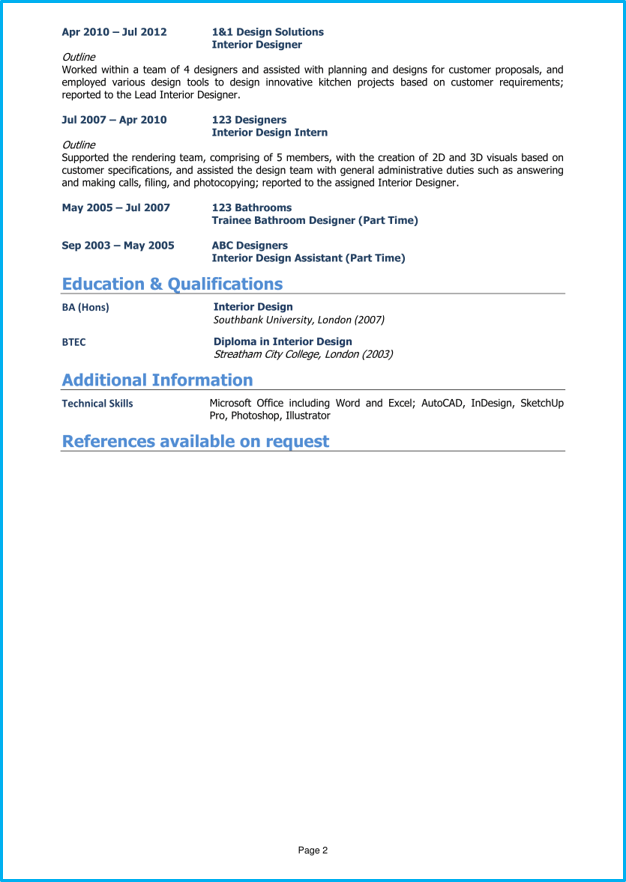
Interior Design Assistant: Job Description and Skills

Table Of Content A. Educational Requirements Overview of the Article Career Paths and Advancement Opportunities C. Communication with Client...